Airport Emergency Exercises for Major and Regional Airports
When an emergency happens at an airport, the response extends well beyond the incident site. Emergency services need access, airport personnel need to coordinate decisions, passengers need assistance, and families need reliable information. Meanwhile, the organisation must manage disruption and establish what happens next.
A well-designed airport emergency exercise brings these responsibilities together, testing how plans, people and responding agencies work under realistic conditions.
For a major commercial airport, that may involve coordinating numerous organisations across a complex operating environment. For a smaller regional airport, it may mean testing how a small team manages the first stages of an emergency while external support is mobilised.
The scale changes. The need to prepare remains.
Shepherd Consulting Services designs, facilitates and evaluates airport emergency exercises around the realities of each organisation’s operating environment.
What should an airport emergency exercise achieve?
An airport emergency exercise is a structured opportunity to practise and evaluate emergency arrangements through a simulated incident. Depending on its objectives, it may involve a facilitated discussion, a targeted test of particular functions, or a field exercise involving personnel, vehicles and equipment.
Its value comes from the questions it helps answer:
- Do people understand their responsibilities?
- Can responding agencies access the incident safely and efficiently?
- Does information reach the people who need it?
- Can the airport support passengers and families while managing the operational response?
- Have improvements recommended after previous exercises actually worked?
Meeting applicable regulatory requirements is an essential part of planning. Emergency planning requirements can depend on the type and frequency of aircraft operations at an aerodrome, so operators should confirm the requirements that apply to their circumstances when developing an exercise programme.
Alongside those obligations, an exercise should provide useful evidence about readiness. Completing an exercise is one outcome. Understanding what people and systems can do is what makes it valuable.
Major airports and regional airports face different challenges
A large airport and a regional aerodrome should not automatically run the same scenario in the same way. Each airport emergency exercise should reflect operations, available resources, the surrounding environment and existing emergency arrangements.
Major airports: testing coordination across a complex operation
At a major airport, an emergency can create simultaneous demands across the airfield, terminal, emergency operations centre and passenger support areas.
An exercise may examine how airport operations, emergency services, airlines, security personnel and communications teams coordinate activities while other parts of the airport continue operating.
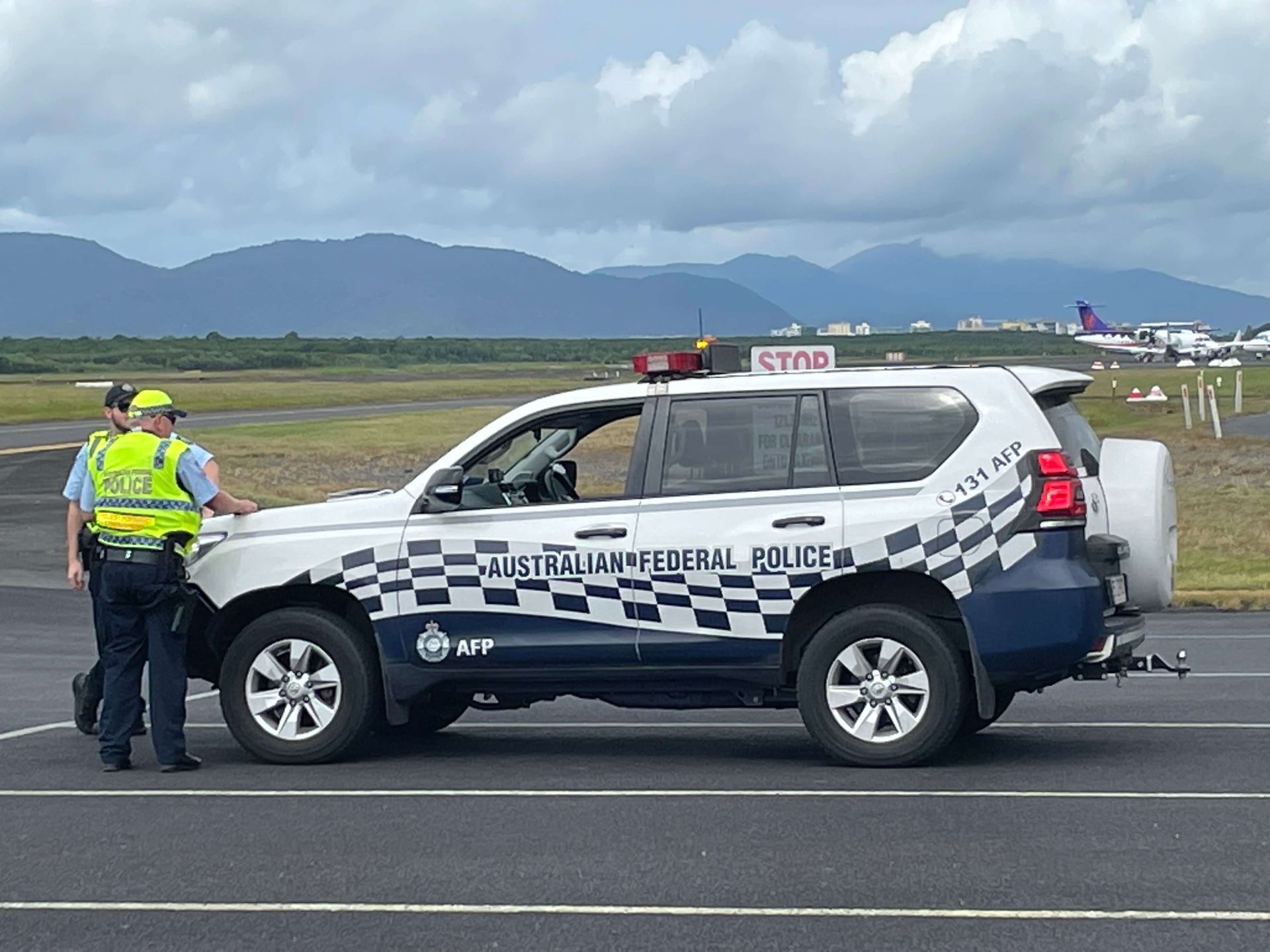
If emergency vehicles need access to a particular location, who confirms the entry point? Who arranges any required escort? How are changes communicated to incoming responders? These practical details benefit from being tested together.
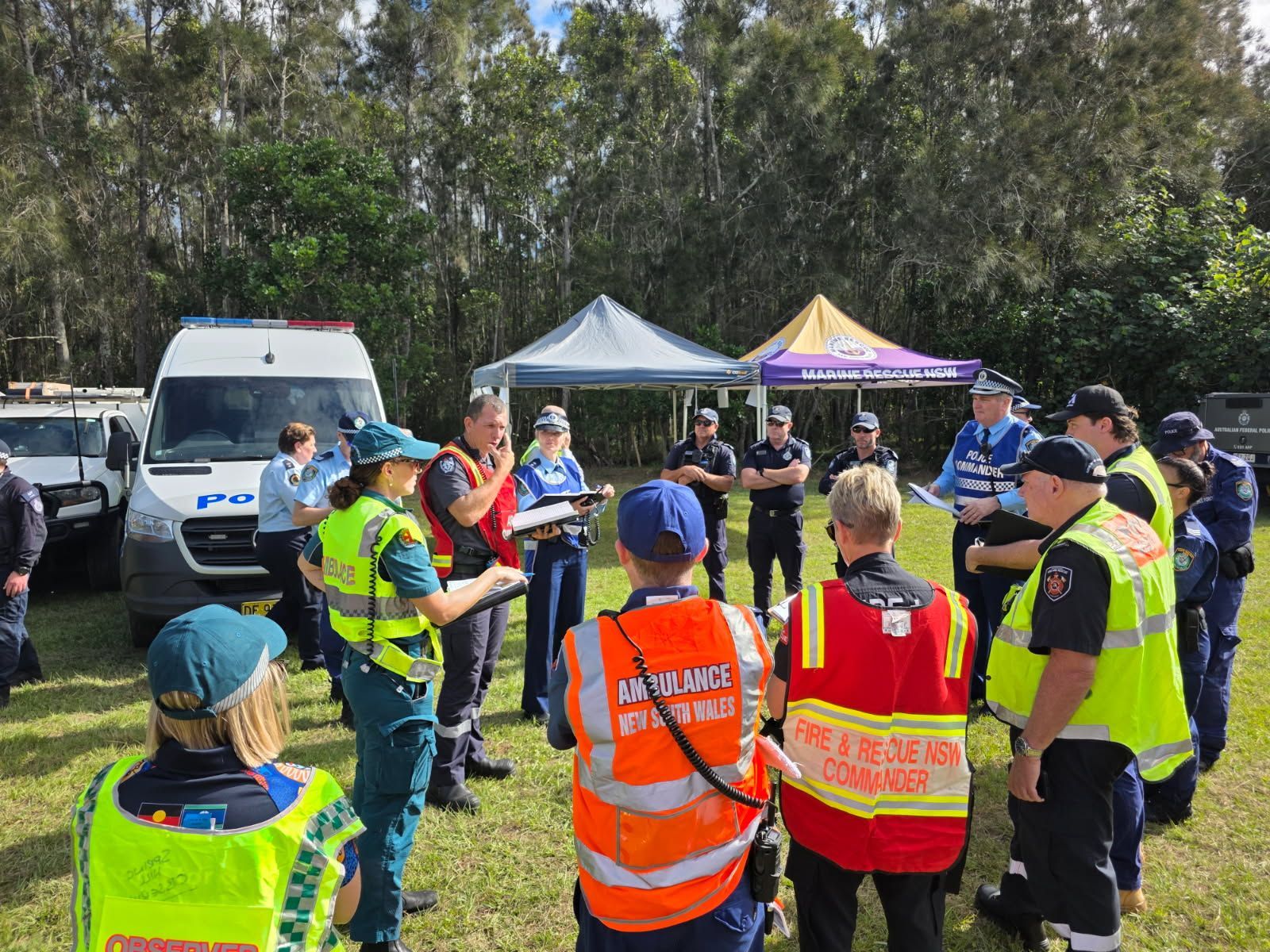
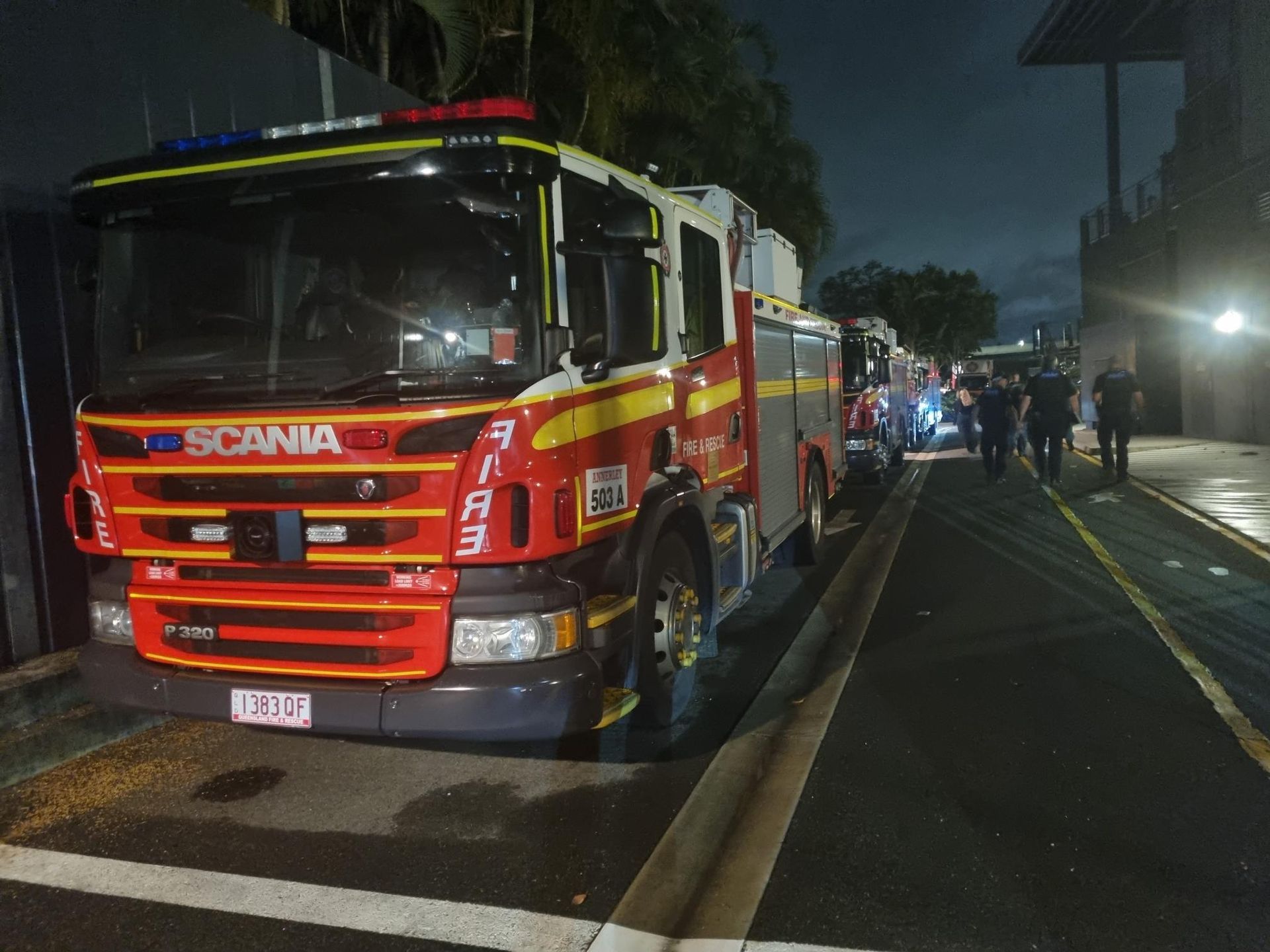
Field exercises also help participating emergency services become familiar with restricted areas they may rarely enter. Understanding access routes, airside arrangements and the physical operating environment can strengthen the response beyond the exercise itself.
Regional airports: testing readiness with available resources
A smaller airport may have fewer personnel available, with individuals responsible for several functions. Depending on its location, it may also need to account for longer travel times for external assistance or limited nearby resources.
A useful regional airport emergency exercise should explore those conditions directly. Who activates emergency arrangements? What happens if a key person is unavailable? Who meets incoming responders while another staff member manages operational communications? How will passengers and relatives be supported?
Smaller airports need scenarios proportionate to their operations and credible for their location. They also deserve the same attention to exercise design, evaluation and follow-through as larger facilities.
Choosing the right airport exercise format
The format should follow the objectives. Decide what needs to be tested, then select the approach most likely to produce useful evidence.
Airport tabletop exercises
A tabletop exercise brings relevant personnel and agencies together to discuss their response to a developing scenario.
The facilitator introduces information and asks participants to explain their decisions, responsibilities and actions. This can reveal unclear arrangements, competing assumptions or gaps between organisations’ plans.
Tabletop exercises are particularly useful for exploring leadership decisions, escalation, communications and coordination before committing resources to a field exercise. At Shepherd, we generally find that two to three hours, with appropriate breaks, provides a productive window for focused discussion.
Airport field exercises
A field exercise allows participants to practise selected arrangements in the operational environment. This can include deploying resources, establishing coordination points, testing access arrangements and activating passenger or family support functions.
The exercise itself is only part of the commitment. Preparation, safety briefings, site setup, debriefing and returning the area to normal operations all require time.
For some exercises, this means planning an approximately eight-hour delivery window, with two to four hours devoted to active exercise play. These are indicative planning ranges, rather than fixed requirements. Participants also need realistic time to complete their tasks; compressing an activity that would normally take two hours into twenty minutes can distort findings.
Test the human consequences as well as the incident response
An aircraft incident may be the starting point, but its consequences reach far beyond the immediate scene. Passengers may need assistance, injured people may be transported to different hospitals, relatives may arrive seeking information, and staff may face difficult questions while details are still being confirmed.
Depending on agreed objectives and agency responsibilities, an exercise could test:
- Passenger reception and assistance arrangements.
- Family reception and reunification processes.
- Coordination of authorised information about affected people.
- Communication between the airport, airlines and responding agencies.
- Public information directing people to the appropriate location or contact point.
The presence of a reception centre in a plan does not establish that everyone understands how to activate or operate it. Exercising gives relevant teams an opportunity to work through those responsibilities.
Include communications in the scenario
Communications teams can practise obtaining verified information, preparing holding statements and explaining what passengers and families should do next. A useful exercise tests how the airport communicates when information is incomplete or when different organisations hold different parts of the picture.
The aim is to establish whether people can provide timely, accurate and coordinated information under pressure.
Build capability through realistic scenarios
A credible airport emergency exercise should challenge participants while giving them a fair opportunity to apply their plans and skills. Adding more incidents, surprises or dramatic effects does not automatically create a better exercise. Each development should serve an objective.
At Shepherd, we begin with practical questions: What does a difficult day look like at this airport? What concerns the people responsible for managing it? Which arrangements need closer examination?
An aircraft incident may be appropriate. Other objectives might be explored through a terminal evacuation, an access problem, a disruption to communications or an incident affecting nearby infrastructure. The scenario should create enough pressure to reveal genuine strengths and deficiencies.
Turn exercise findings into demonstrated improvements
An exercise report is valuable when its findings lead to action. After the exercise, the airport and participating organisations should identify what worked, what needs attention and who will take responsibility for each agreed improvement.
A practical process is to:
- Debrief participants and capture observations.
- Assess findings against the exercise objectives.
- Assign actions, owners and completion dates.
- Update relevant plans, procedures or training.
- Retest changes through a later exercise or targeted activity.
Retesting is particularly important. Updating a procedure does not, by itself, demonstrate that the underlying problem has been resolved. If an earlier exercise identified difficulty coordinating emergency-vehicle access, a later exercise can deliberately test that function again.
How Shepherd Consulting Services helps
Shepherd Consulting Services supports airports through the full airport exercise lifecycle. This can include setting exercise objectives, developing realistic scenarios, coordinating stakeholders, facilitating delivery, evaluating performance and preparing practical improvement plans.
Our approach draws on frontline emergency services experience and is tailored to your people, operations, available resources and emergency arrangements.
Frequently asked questions
How often should an airport conduct an emergency exercise?
The appropriate frequency depends on applicable requirements, airport operations, changes to personnel or plans, and the areas requiring assurance. Confirm the obligations that apply to your aerodrome and use exercise findings to guide future activity.
What is the difference between a tabletop and field exercise?
A tabletop exercise tests decisions, roles and coordination through facilitated discussion. A field exercise tests selected arrangements in the operational environment, including people, access, equipment and practical deployment.
Who should be involved in an airport emergency exercise?
Participants may include airport operations, emergency services, airlines, security, communications teams and passenger or family-support functions. The right group depends on the exercise objectives and local emergency arrangements.
Plan your next airport emergency exercise with purpose
Before repeating the previous scenario, consider what your next exercise needs to establish. Have operations or personnel changed? Have responding agencies reviewed arrangements together? Are previous recommendations complete, and have they been tested? Does the programme give sufficient attention to passengers, families and communications?
Contact Shepherd Consulting Services to discuss an airport emergency exercise tailored to your people, operations and emergency arrangements.
Share this article