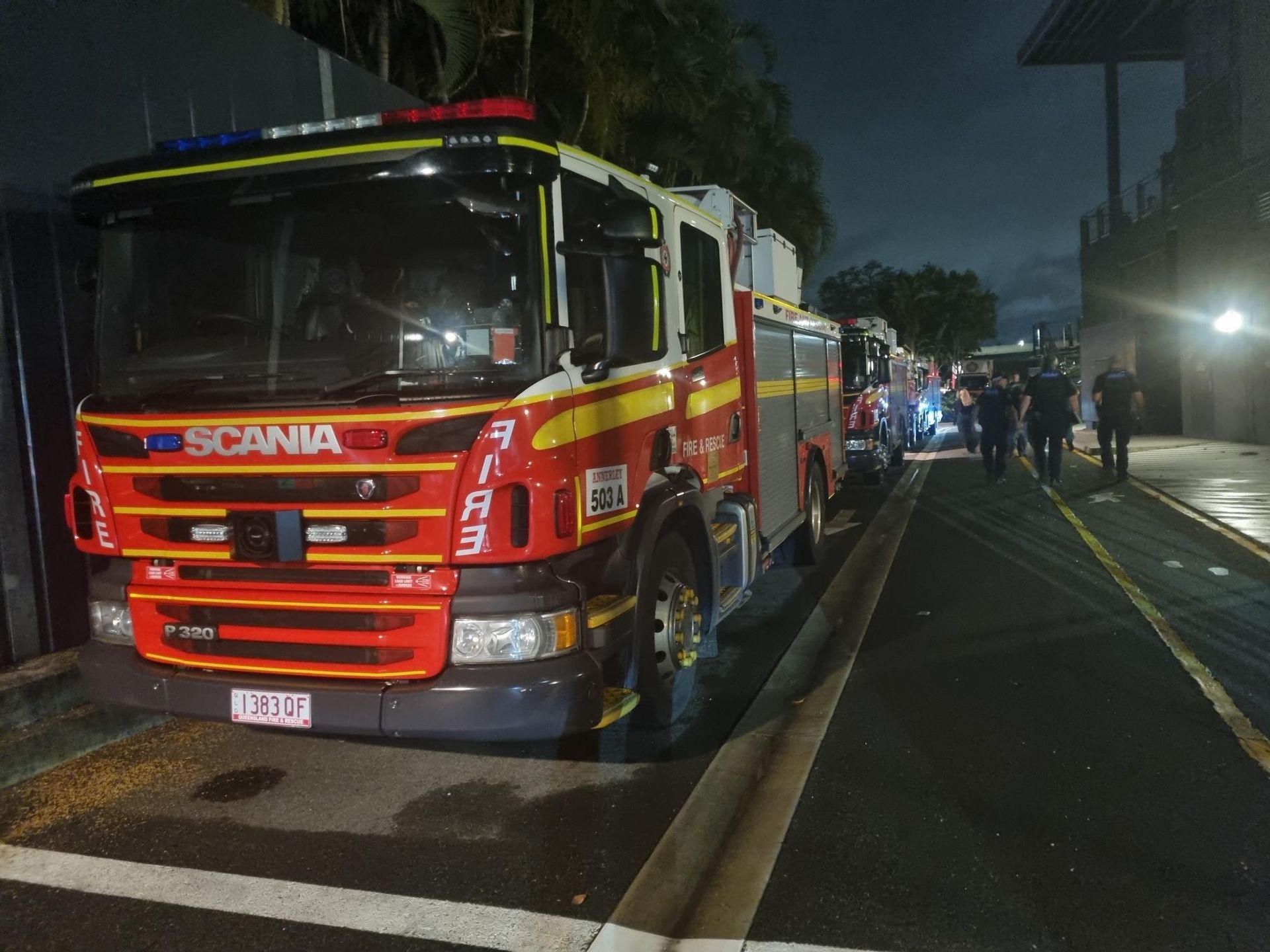
Operational risk management becomes most important when the normal day stops being normal.
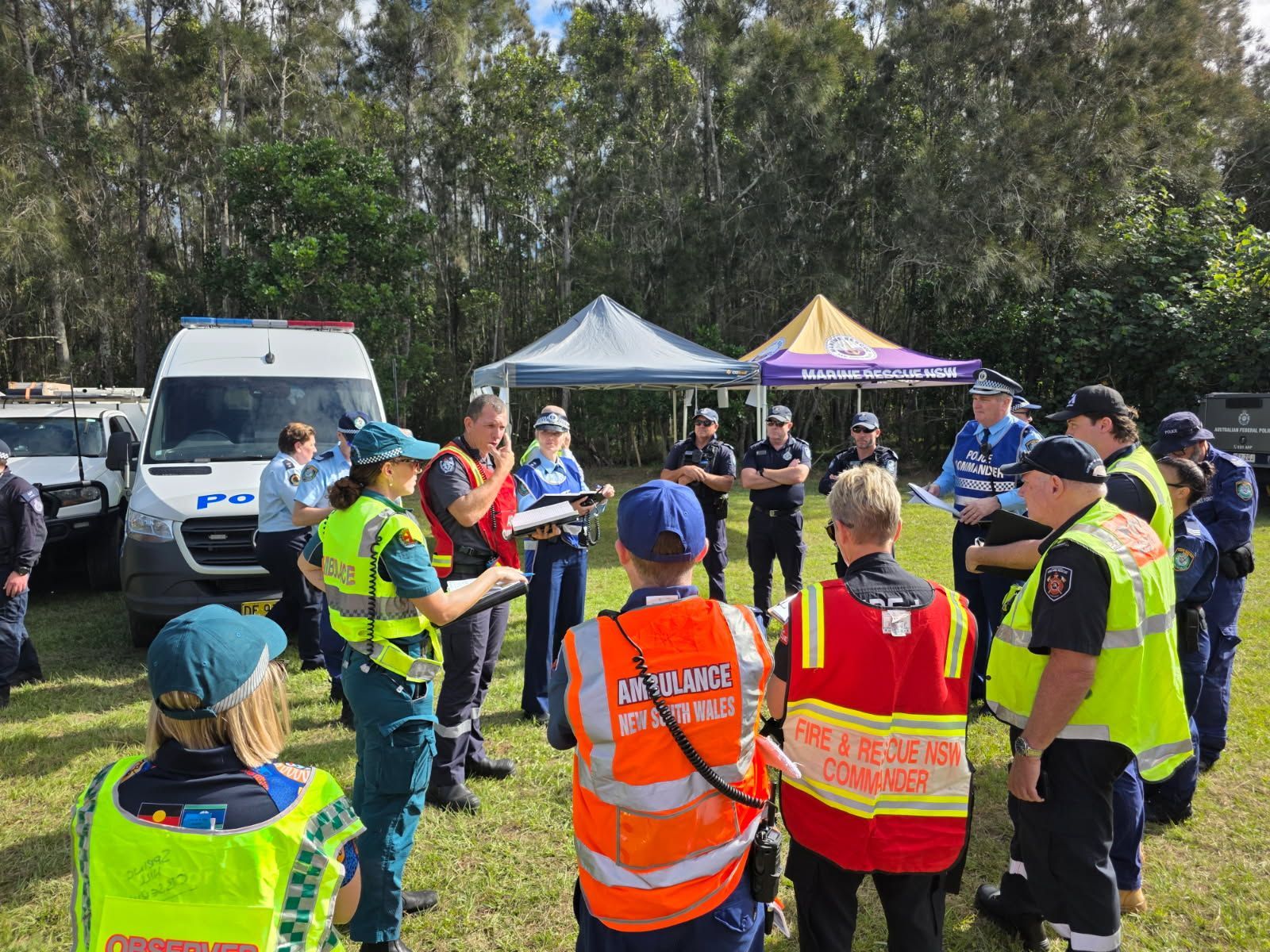
A routine workplace hazard can often be managed through established procedures. A critical incident, emergency, major disruption or fast-changing operational environment is different. Information may be incomplete. Time may be limited. Staff may be under pressure. Community consequences can extend well beyond the immediate workplace. In those circumstances, organisations need people who can identify what matters, assess risk in context, select workable controls and turn decisions into treatment measures that can actually be implemented.
That is the purpose of the Operational Risk Course.
Delivered over four face-to-face days, the course develops practical operational and emergency risk capability through nationally recognised training. The current course fee is $2,375 + GST, and the program includes four units of competency covering operational risk assessment, risk treatment and emergency risk management.
For professionals in emergency management, public safety, government, local government, infrastructure, transport, business continuity, resilience and operational leadership, the course is designed to do more than explain risk terminology. It builds a methodology participants can apply when decisions have real consequences for staff, organisations and communities.
Why operational risk management is different from a standard risk checklist
Most professionals have encountered some form of risk management. It may be a risk register, a safety inspection, a project risk workshop or a workplace checklist. These tools are important, but they can create a narrow view of risk if the focus remains only on visible hazards inside a familiar environment.
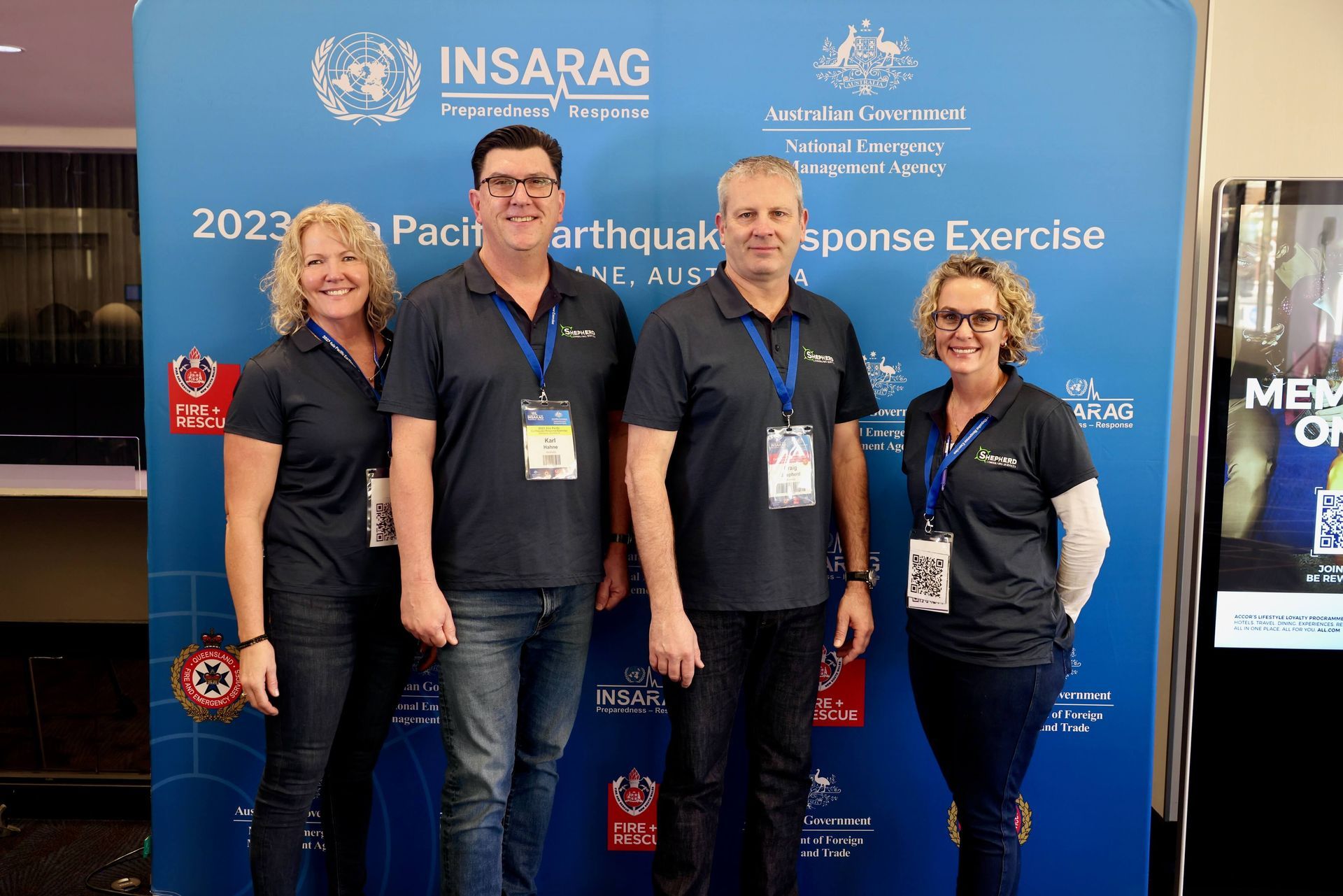
Shepherd Consulting Services takes a broader approach. As Karl Hahne explains, risk management is anchored by regulation and standards, but the Operational Risk Course translates that foundation into an operational setting. Participants are encouraged to move beyond examples such as a trip hazard or exposed wire and consider how risk changes during a critical incident, emergency or abnormal operating day.
That includes risks to people as well as assets and systems. Psychosocial risk, workplace health and safety during critical incidents, operational pressures and the consequences of rapidly changing conditions all form part of the wider risk picture.
This distinction is important because the person responsible for a risk decision may need to do more than identify a hazard. They may need to establish context, compare consequences, evaluate controls, justify a treatment, coordinate implementation and monitor whether the treatment is actually reducing the risk.
In other words, operational risk management is about making structured decisions in the real world.
What does the Operational Risk Course cover?
The course brings together four nationally recognised units of competency. Each unit contributes a different part of the operational risk management process, from assessment through to treatment and implementation.
PUAEMR005: Treat operational risk
PUAEMR005 Treat operational risk focuses on identifying, planning and implementing treatment options that reduce risk.
Participants develop capability in making risk decisions, selecting control measures and treatment options, implementing those measures, and monitoring and reviewing the risk mitigation process. The practical value of this unit is that it moves risk management beyond identification. Recognising a problem is only the beginning; the professional task is deciding what to do about it and whether the chosen action is effective.
PUAEMR006: Assess operational risk
PUAEMR006 Assess operational risk develops the skills required to identify and assess risk in an operational environment.
The unit includes establishing the risk context, identifying risk, analysing it and evaluating what the risk means for the organisation or operation. This is a critical capability because risk is rarely meaningful without context. The same hazard can produce very different consequences depending on location, timing, people, resources and operating conditions.
A structured assessment process helps participants move from “this looks risky” to a decision that can be explained, documented and defended.
PUAEMR010: Plan and implement a treatment measure
PUAEMR010 Plan and implement a treatment measure focuses on what happens after an emergency risk assessment identifies a need for action.
Participants learn to develop, implement and monitor a treatment plan within the responsibility of an agency, organisation or service provider. The unit also includes reviewing the implementation of treatment measures.
A treatment must be practical, resourced, communicated and monitored. This unit helps participants think through implementation rather than treating the risk assessment as the end product.
PUAEMR019: Contribute to an emergency risk management process
PUAEMR019 Contribute to an emergency risk management process places the participant within a broader emergency risk management framework.
Operational and emergency risks are rarely managed by one person or one team in isolation. They often require information from multiple stakeholders and an understanding of how individual decisions fit into a wider process. This unit strengthens the participant's ability to contribute to that process in a structured and useful way.
Together, the four units create a practical learning sequence: understand the context, assess the risk, select and implement treatment measures, and contribute effectively to the broader emergency risk management process.
Learning to see risk beyond the room, building or worksite
One of the most useful features of Shepherd Consulting Services’ Operational Risk Course is the way participants are asked to expand their field of view.
In-course discussions include real-world scenarios. One such scenario was an exercise based on a small town exposed to bushfire threat. Participants examine factors such as the town's population, geography, topography and fire loads. The objective is not to turn every learner into a bushfire specialist. The objective is to teach a transferable risk methodology.
The scenario forces participants to stop looking only at the immediate workplace. Instead, they begin to think progressively: the room, the building, the street, the suburb and the wider community.
That shift is valuable for professionals whose decisions may affect interconnected systems. A council officer may need to consider vulnerable residents, access routes and service continuity. An infrastructure operator may need to consider cascading consequences across transport or utilities. An emergency manager may need to think about staff safety, public information, resource availability and community consequences at the same time.
Who is the Operational Risk Course for?
The course is aimed at people who need or want to understand the principles and processes involved in risk management, including the development and application of treatment options and the management of operational risk.
In practice, that makes it relevant to a wide range of roles. Supervisors and managers can use the methodology to improve operational decisions. Emergency management practitioners can strengthen their approach to risk before and during incidents. Government and local government personnel can apply the process to organisational and community risk. Emergency services staff can use it to structure decisions in environments where conditions change quickly.
It can also be valuable for people working in business continuity, resilience, infrastructure, transport, aviation, facilities, public safety and other roles where a “bad day at the office” can have consequences beyond a single team.
You do not need to arrive as a risk specialist. Our safety courses do not require pre-study; the learning is covered during the course itself.
How can operational risk training influence your career?
Completing an operational risk course does not, by itself, guarantee a promotion or a particular job. Its value is more practical: it develops capabilities that become increasingly important as professional responsibility grows.
People moving into supervisory, management, emergency coordination or resilience roles are often expected to make decisions that affect others. They may need to identify hazards, assess consequences, recommend controls, document why a decision was made, brief leaders and monitor whether the chosen treatment is working.
Consider three examples. An emergency management officer may use the methodology to frame operational risks before an exercise or incident. A local government manager may apply it when considering community exposure and treatment priorities. An infrastructure or transport professional may use it to assess the consequences of an abnormal operating condition and determine which controls are realistic.
For a team leader, the impact may be closer to home: better conversations about staff safety, psychosocial hazards, resource limitations and operational controls. For someone seeking broader public safety leadership capability, the Operational Risk Course can also contribute to the Certificate IV in Public Safety (Leadership) pathway offered by Shepherd Consulting Services.
The career value therefore comes from combining a nationally recognised credential with a methodology that can be used immediately in operational work.
Course duration, accreditation and cost
The Operational Risk Course is delivered over four face-to-face days and costs $2,375 + GST.
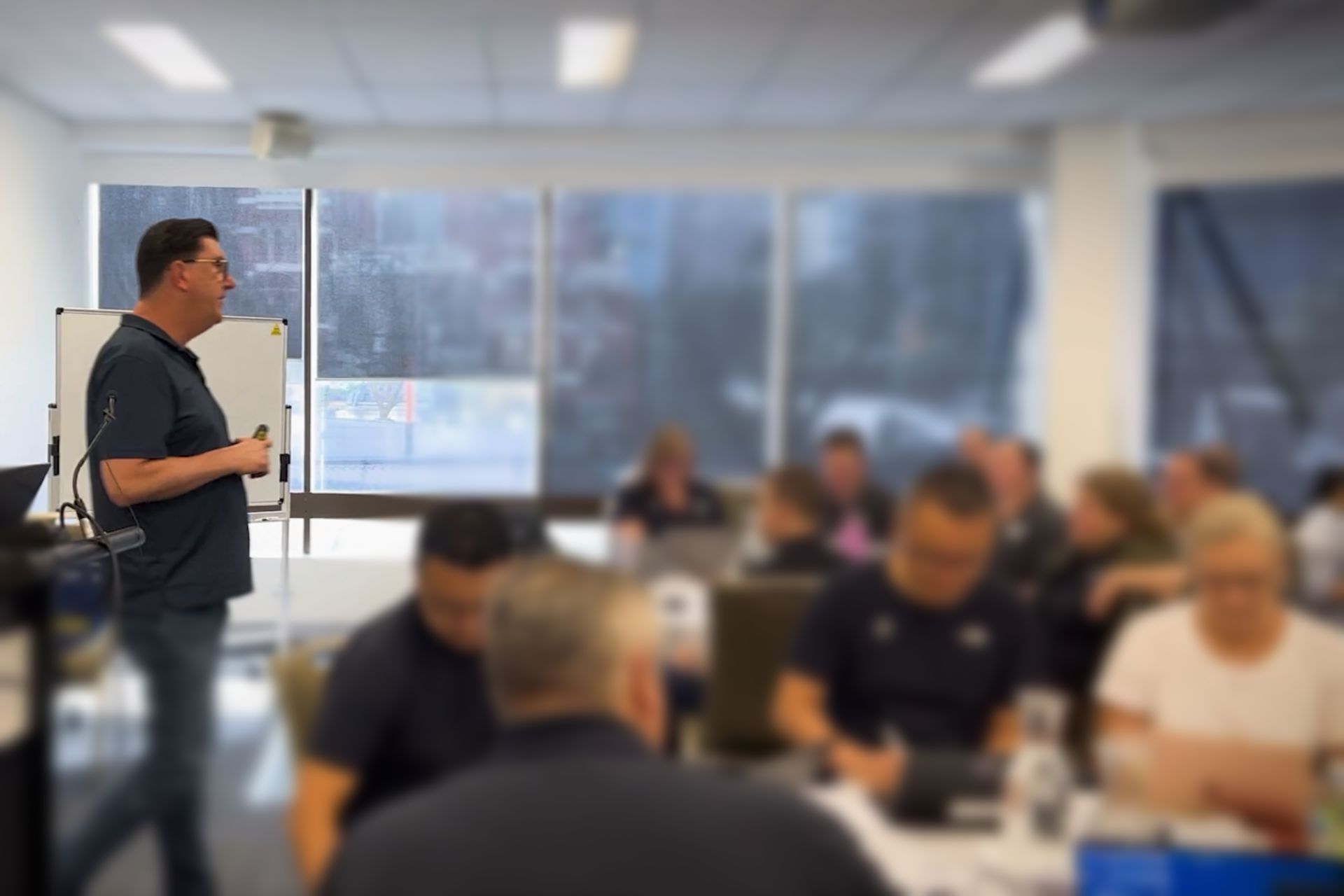
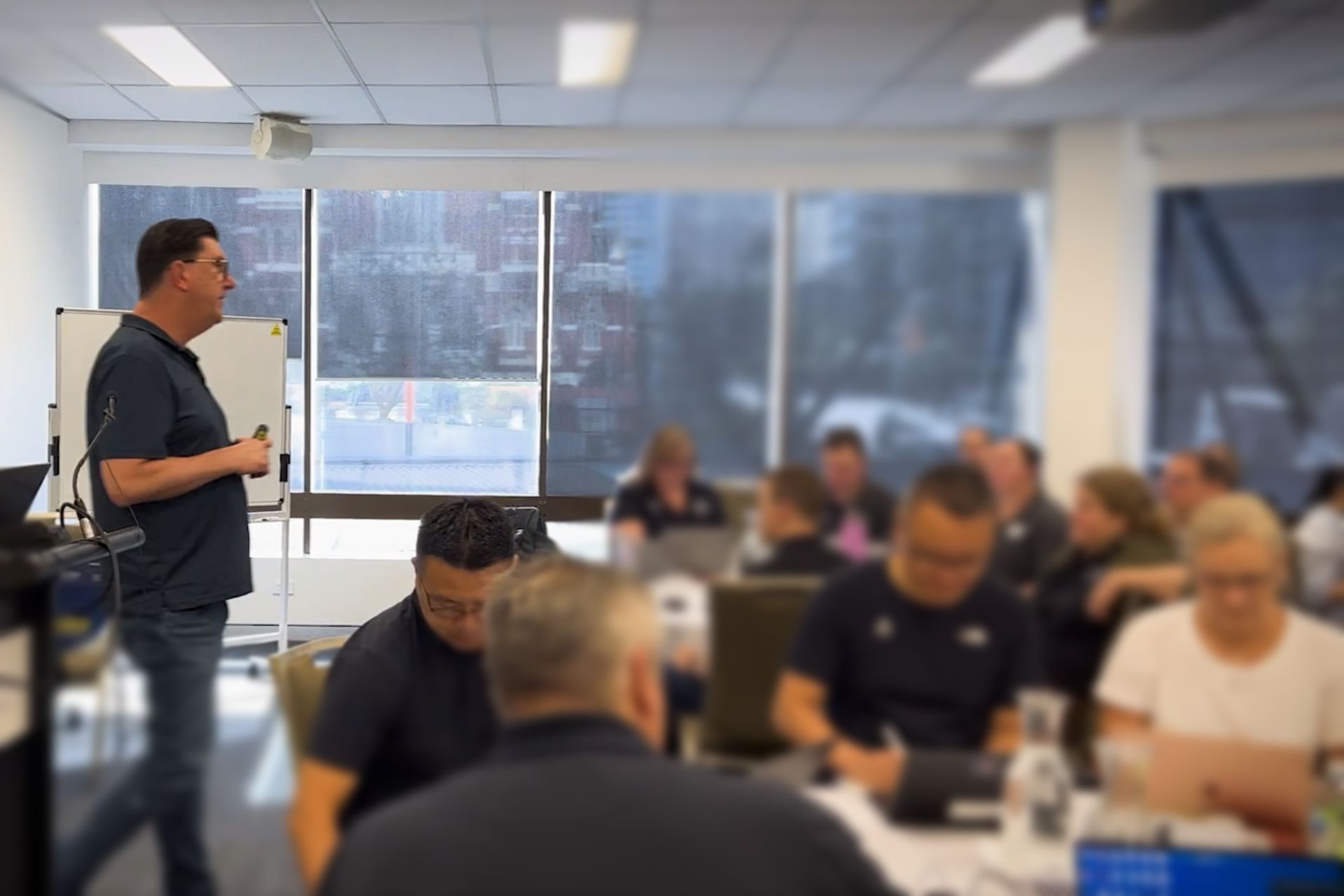
The course generally runs from 8:30am to 4:30pm each day and our public courses have a maximum of 20 participants, supporting an interactive learning environment rather than a large lecture format.
The course is nationally recognised training. Shepherd Consulting Services partners with Diverse Training Concepts, RTO 88182, for accredited emergency and public safety training.
Participants are asked to bring a laptop, writing materials and smart-casual or business clothing. Those who want to obtain a certificate of competency should also have their Unique Student Identifier (USI) available.
Why practitioner-led operational risk training matters
Frameworks matter. Standards matter. But the quality of an operational risk decision often depends on whether the person applying the framework can interpret what is happening around them.
Shepherd Consulting Services positions its training around practitioner experience. Our course material is anchored in more than 70 years industry experience and an operational, rather than purely theoretical, approach to learning.
That matters in a course about risk because participants can test the methodology against realistic situations. They can ask what a treatment would look like in practice, how a control might behave under pressure and what information a decision-maker would actually need.
The objective is not to create a thicker risk register. It is to build better risk judgement.
When participants return to work, the practical test is whether they can recognise a changing risk profile, widen their field of view, ask better questions, choose realistic controls and explain their reasoning to others. That is the capability the course is designed to develop.
Book an upcoming Operational Risk Course
If your role involves operational decisions, emergency management, public safety, organisational resilience, staff safety or community outcomes, stronger operational risk capability can be a practical investment in both your career and your organisation.
Our Operational Risk Course provides four days of face-to-face, nationally recognised training covering assessment, treatment planning, implementation and emergency risk management. The current course fee is $2,375 + GST.
Public course places are limited to a maximum of 20 participants. If this capability is relevant to your current role, or the role you are preparing to step into, the next step is to secure a place on an upcoming course.
Book the Operational Risk Course with Shepherd Consulting Services and build the capability to assess risk, select treatments and implement controls when it matters most.
Build capability before it is tested
Risk management is most valuable when circumstances are uncertain, changing or high consequence.
The Operational Risk Course gives participants a structured way to move from identifying a risk to assessing it, treating it and contributing to a broader emergency risk management process. Just as importantly, it challenges participants to look beyond the immediate hazard and consider the wider system: people, operations, organisations and communities.
For professionals working in emergency management, public safety, government, infrastructure or operational leadership, that capability can improve the quality of everyday decisions and strengthen readiness for the days that are anything but everyday.
The objective is straightforward: understand the risk, make better decisions and build capability before it is tested.
Book your Operational Risk Course: $2,375 + GST
View course details and booking options
Share this article